
Revision Rhinoplasty
Correcting Previous Nose Surgery

30+ Years of Experience
90+ Rhinoplasties A Year
Specialist in Revision Rhinoplasty
5-Star
Rated Team
GMC
Registered
CQC Registered Hospitals
Refine previous nose surgery, improve facial balance, and address breathing concerns with specialist revision rhinoplasty performed by experienced consultant plastic surgeons.
Revision rhinoplasty, sometimes called secondary rhinoplasty, is a procedure designed to correct or improve the results of a previous nose operation. Patients may seek revision surgery for aesthetic concerns, functional breathing problems, or both.
Whether the concern involves asymmetry, a persistent dorsal hump, nasal collapse, breathing difficulties, or dissatisfaction with a previous outcome, revision rhinoplasty requires careful planning and specialist expertise.
At Emendo Surgical Group, revision rhinoplasty is performed by consultant plastic surgeons with advanced experience in facial plastic surgery and complex nasal surgery. Mr Shaheel Chummun has undertaken specialised training in rhinoplasty and revision rhinoplasty techniques, enabling him to manage complex structural concerns while maintaining natural facial harmony.
Because revision rhinoplasty is often more technically demanding than primary rhinoplasty, every procedure begins with a detailed assessment and personalised surgical plan. Our focus is to improve both the appearance and function of the nose, while preserving balance with the rest of the face.
Revision Rhinoplasty Overview

Surgical Time
2 - 4 hours
Anaesthesia
General
Hospital Stay
Same day or 1 overnight
Return to Work
7 - 10 days
Resume light Activities
3 - 4 weeks
Final Results
12 - 18 months
Aesthetic Benefits of Revision Rhinoplasty
Revision rhinoplasty focuses on improving the appearance of the nose following a previous surgery while maintaining harmony with the surrounding facial features. Because the nose has already been altered, revision procedures require careful assessment and specialist surgical planning.
Patients may consider revision rhinoplasty to address concerns such as:
A crooked or asymmetrical nose following previous surgery
Persistent bumps or irregularities along the nasal bridge
A nasal tip that appears drooping, bulbous, or poorly defined
A nose that appears overly narrow or pinched
Visible contour irregularities or uneven healing
A nasal shape that does not feel balanced with the rest of the face
Each procedure is carefully tailored to the individual, with the aim of improving nasal shape while preserving natural facial proportions.

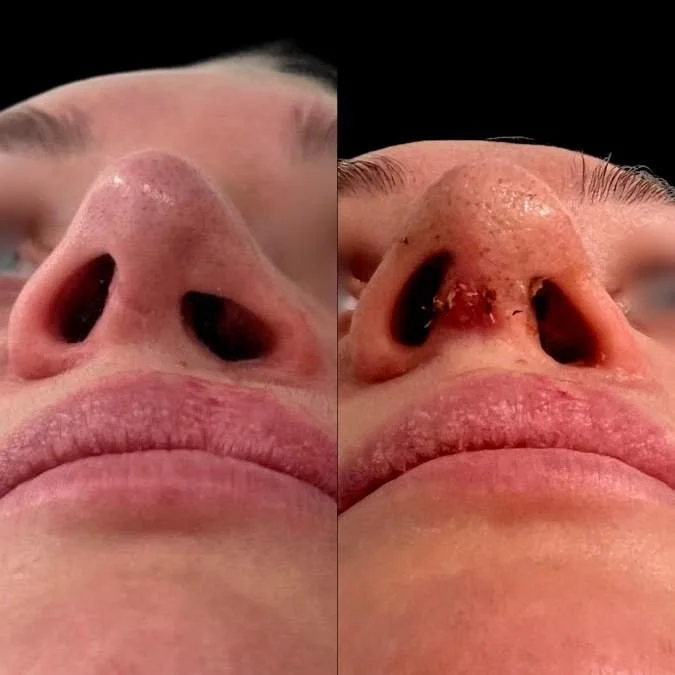
Before and After Rhinoplasty Results
-
![Before and After Rhinoplasty - Reconstructed Bridge]()
Reconstructed Bridge Rhinoplasty
-
![Before and After Tip Rhinoplasty Results]()
Tip Rhinoplasty
-
![Before and After Rhinoplasty - Cleft Septorhinoplasty Results]()
Cleft Septorhinoplasty
-
![Before and After Nose Job]()
Rhinoplasty
-
![Before and After Septorhinoplasty]()
Septorhinoplasty
-
![Before and After Rhinoplasty - Cleft Septorhinoplasty Results]()
Cleft Septorhinoplasty
-
![Rhinophyma Excision Results]()
Rhinophyma Excision
-
![Before and After Nose Job - Rhinoplasty Results]()
Rhinoplasty
-
![Before and After Secondary Cleft Septorhinoplasty]()
Secondary Cleft Septorhinoplasty
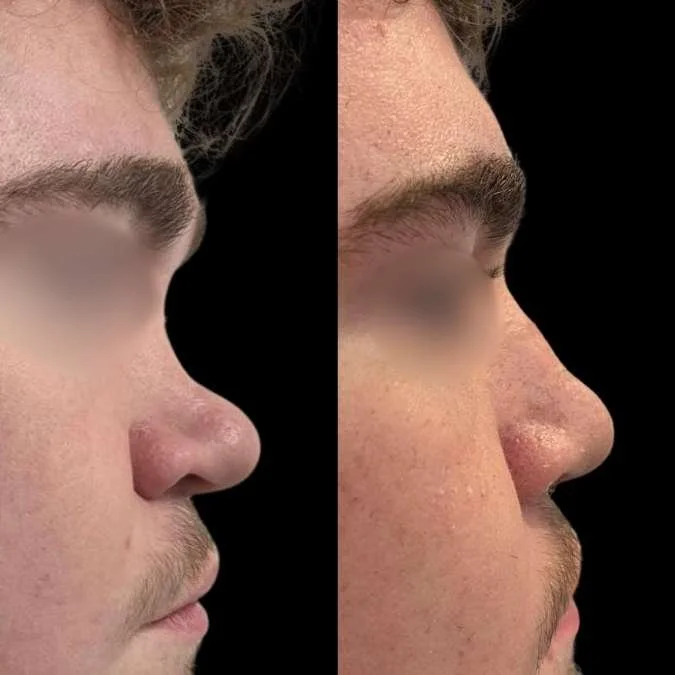
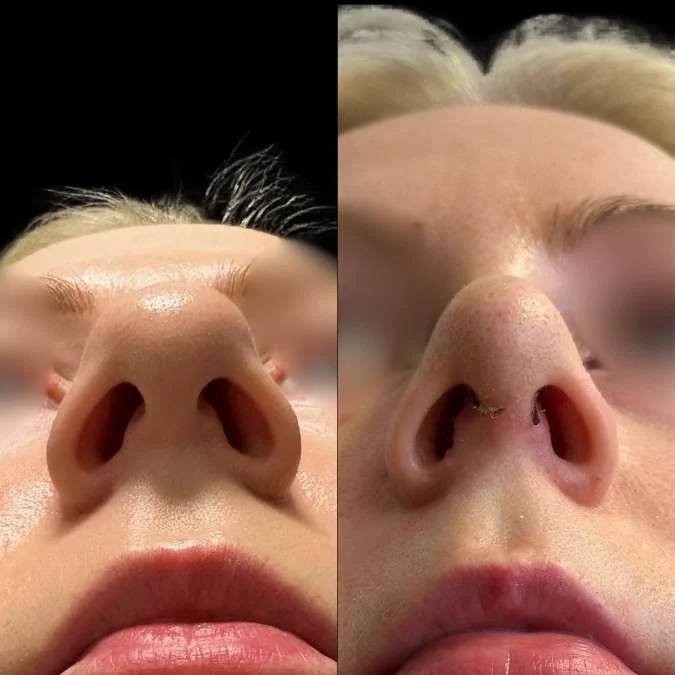
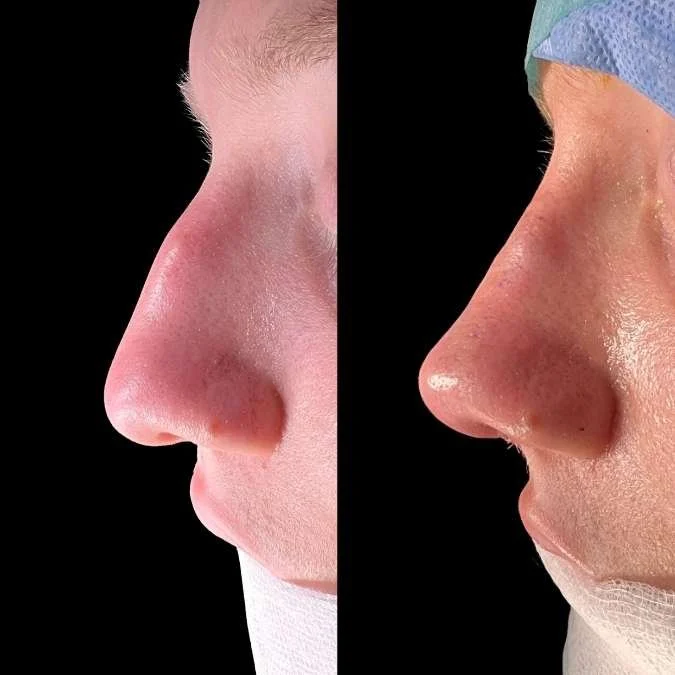
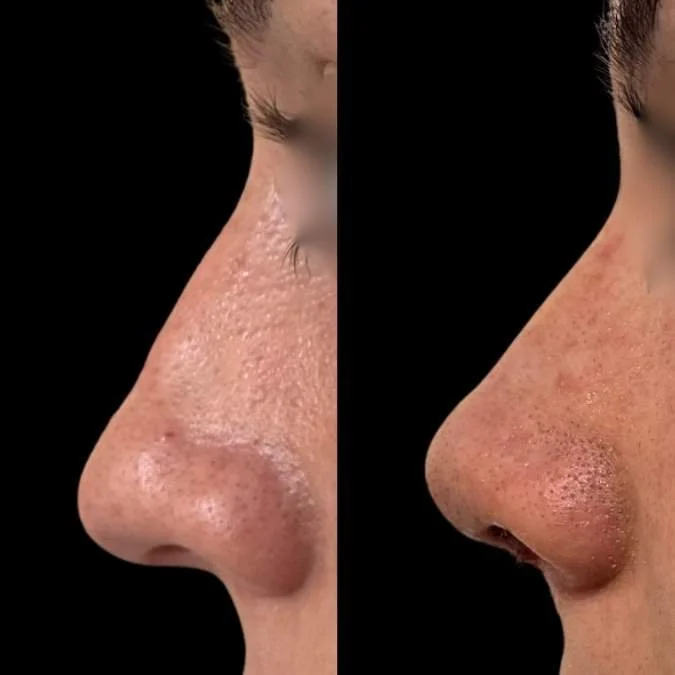
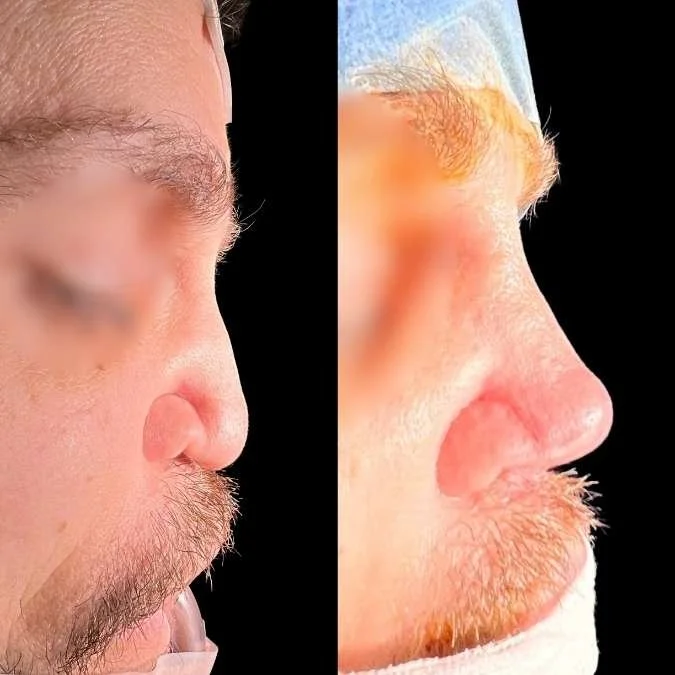
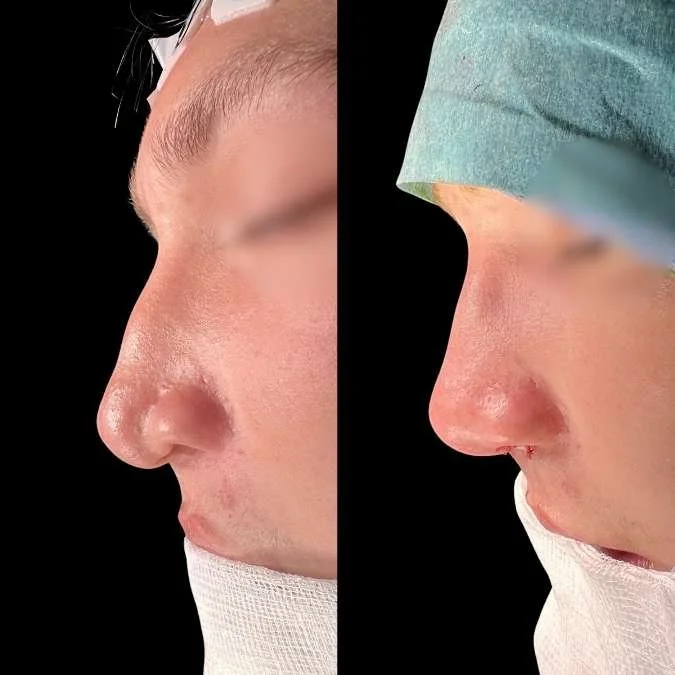
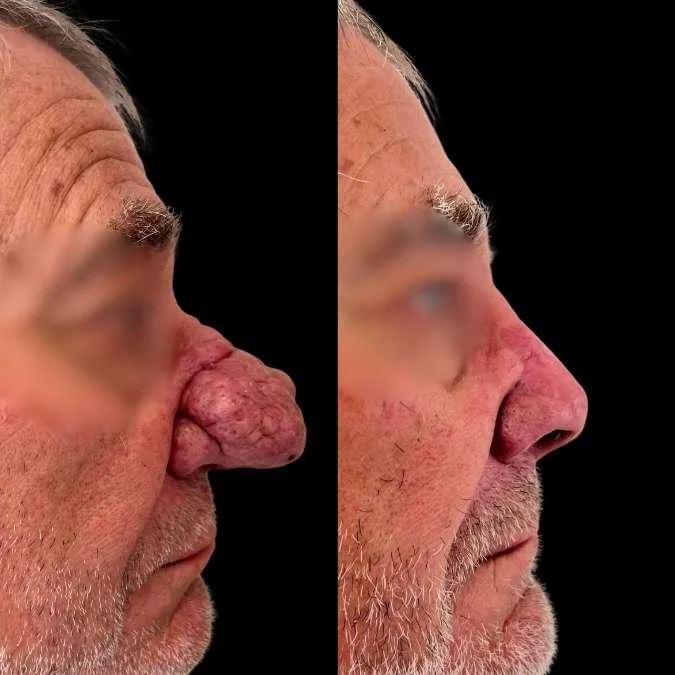
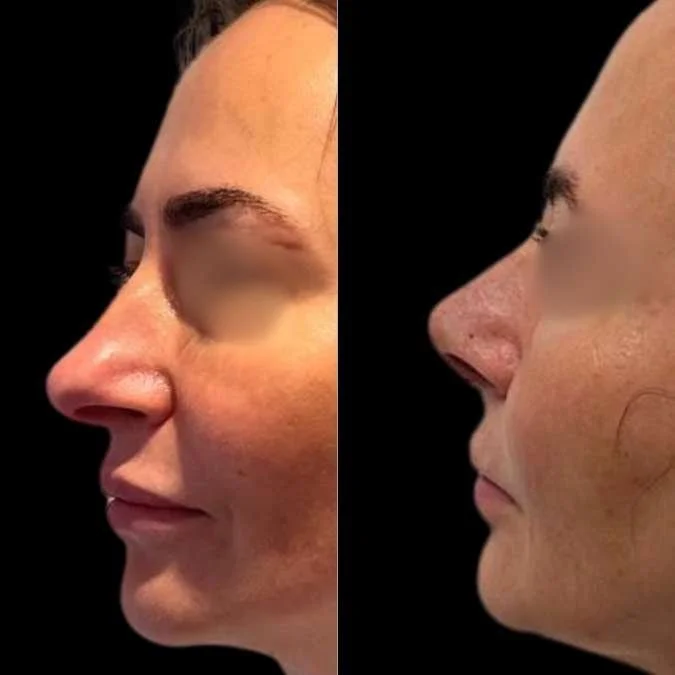
Functional Benefits of
Revision Rhinoplasty
In addition to improving appearance, a nose job revision can address functional concerns that may occur following previous nasal surgery. Changes to the nasal structure during an earlier procedure can sometimes affect airflow or reduce the support of the nose.
Revision rhinoplasty allows the surgeon to carefully assess the underlying nasal framework and correct structural issues that may be affecting breathing or comfort.
Functional improvements may include:
Improving nasal airflow when breathing feels restricted
Correcting nasal valve collapse that can occur after previous rhinoplasty
Straightening a deviated septum that affects breathing
Rebuilding structural support where cartilage has been removed or weakened
Improving airflow through one or both nasal passages
Reducing chronic nasal obstruction or congestion
In some cases, revision rhinoplasty may involve structural grafting techniques to strengthen and support the nose while improving nasal function.
Every procedure is carefully planned to improve breathing while maintaining a natural nasal appearance.
Your Revision Rhinoplasty Journey: What to Expect
01 - Get in Touch
Start by contacting our team. We’ll talk through your concerns and guide you on the next steps.
02 - Consultation
Your surgeon will assess your nasal structure, previous surgery, and breathing, before creating a personalised treatment plan.
03 - Surgery Day
Revision rhinoplasty is typically performed under general anaesthetic as a day case procedure in one of our partner hospitals.
04 - Recovery
A nasal splint is usually worn for around one week. Swelling and bruising gradually improve during the first few weeks after surgery.
05 - Return to Activities
Most patients return to desk-based work within 7–10 days. Exercise and strenuous activity should be avoided for several weeks while healing progresses.
06 - Final Results
The nose continues to refine as swelling settles. Final results typically develop over 12–18 months.
Procedures That May Be Performed Alongside Revision Rhinoplasty
In some cases, additional procedures may be recommended at the same time as revision rhinoplasty. These are not always necessary, but they may help address structural concerns or improve overall facial balance.
Your surgeon will discuss whether any additional procedures may be appropriate during your consultation.
-
Septoplasty corrects a deviated nasal septum, which can contribute to breathing difficulties. It is sometimes performed alongside revision rhinoplasty to improve airflow while refining the structure of the nose.
-
Revision rhinoplasty may require cartilage grafting to rebuild or strengthen the nasal framework. Cartilage is typically taken from the nasal septum, ear, or occasionally the rib to provide additional support and improve nasal structure.
-
Chin augmentation can improve the overall balance between the nose, chin, and jawline. In some cases, enhancing the chin can help create better facial proportions alongside rhinoplasty.
Rhinoplasty Reviews
Revision Rhinoplasty in Bristol, UK
Specialist Secondary Nose Surgery
If you are considering revision rhinoplasty in Bristol, Bath, Gloucestershire, or South Wales, Emendo Surgical Group offers specialist consultant-led care for patients seeking to improve the results of previous nose surgery.
Revision rhinoplasty requires careful planning and experience in complex nasal surgery. Our surgeons provide a personalised assessment to understand your concerns, evaluate nasal structure, and recommend the most appropriate surgical approach.
Procedures are performed in leading private hospitals across the region, including:
Nuffield Health Bristol Hospital
Winfield Hospital, Gloucester
Circle Bath Hospital
St Joseph’s Hospital, Newport
These locations provide modern surgical facilities and a comfortable environment for every stage of care, from consultation through to recovery.

Frequently Asked Questions: Revision Rhinoplasty
-
Revision rhinoplasty, sometimes called secondary rhinoplasty, is a procedure performed to improve or correct the results of a previous nose surgery. It may address concerns related to appearance, breathing, or structural support within the nose.
-
Patients may consider revision rhinoplasty if they are unhappy with the appearance of their nose after a previous procedure, or if they experience functional problems such as breathing difficulties. Common reasons include asymmetry, irregularities along the nasal bridge, a pinched nasal tip, or structural issues affecting airflow.
-
In most cases, surgeons recommend waiting at least 12 months after the original rhinoplasty before considering revision surgery. This allows swelling to fully settle and the tissues to stabilise, making it easier to assess the final outcome of the first procedure.
-
Revision rhinoplasty is often more complex than primary rhinoplasty because the nasal structures have already been altered. Scar tissue, changes to cartilage, or reduced structural support can make surgery more technically demanding. For this reason, careful surgical planning and specialist expertise are important.
-
Yes, revision rhinoplasty can improve breathing when structural problems are present. In some cases, issues such as nasal valve collapse or a deviated septum may develop or persist after previous surgery. Revision procedures can address these concerns while refining the shape of the nose.
-
In some revision cases, cartilage grafts may be used to strengthen or rebuild the structure of the nose. Cartilage is often taken from the nasal septum, ear, or occasionally the rib to provide additional support and improve long-term stability.
-
Most patients return to desk-based work within 7–10 days, although swelling may take several weeks to improve. The nose continues to refine gradually, and final results typically develop over 12–18 months.
-
The cost of revision rhinoplasty varies depending on the complexity of the procedure, surgical techniques required, and the hospital where surgery is performed. A personalised quote will be provided following your consultation.
-
Item description